

Every Central Coast property owner with a decent-sized lawn eventually faces the same question: Should I invest in a ride-on mower or hire professional mowing services?
It’s not a simple decision, and the right answer varies depending on your property size, budget, available time, and personal preferences. This comprehensive acreage mowing guide examines both options to help you make an informed choice that suits your specific situation.
Understanding Your Property’s Needs
Before diving into the debate over ride-on mowers versus professional services, you need to honestly assess your property and what it requires.
Property Size Considerations
For properties under half an acre, a ride-on mower is generally overkill. Standard walk-behind mowers handle these areas efficiently, and the investment in ride-on equipment rarely makes sense. Between half an acre and 2 acres, you enter the grey zone where either option could work depending on other factors.
Once you exceed 2 acres, particularly on acreage properties around Holgate, Matcham, Warnervale, or rural areas like Yarramalong and Jilliby, ride-on mowing becomes almost essential if you’re handling maintenance yourself. Walk-behind mowers simply take too long and prove too physically demanding for regular maintenance of larger blocks.
Terrain and Obstacles
Flat, open lawns suit ride-on mowers beautifully. However, if your property includes steep slopes, extensive garden beds, multiple trees, or tight spaces, a ride-on mower’s advantages diminish quickly. You’ll still need additional equipment for areas the ride-on cannot access safely or effectively.
Central Coast acreage properties often feature varied terrain with slopes, rocky sections, and creek lines. Consider how much of your property a ride-on mower can actually maintain versus how much requires alternative equipment or techniques.
Current Maintenance Challenges
What problems are you trying to solve?
If you’re spending entire weekends mowing with a walk-behind mower, a ride-on might be the answer. However, if you struggle to find time for any property maintenance, owning more equipment won’t solve that problem. Professional acreage mowing services might better address time constraints than equipment purchases.
The True Cost of Ride-On Mower Ownership
The sticker price on a ride-on mower represents only a fraction of the total ownership cost. Understanding the complete financial picture is crucial for accurate comparison with professional services.
Initial Purchase Investment
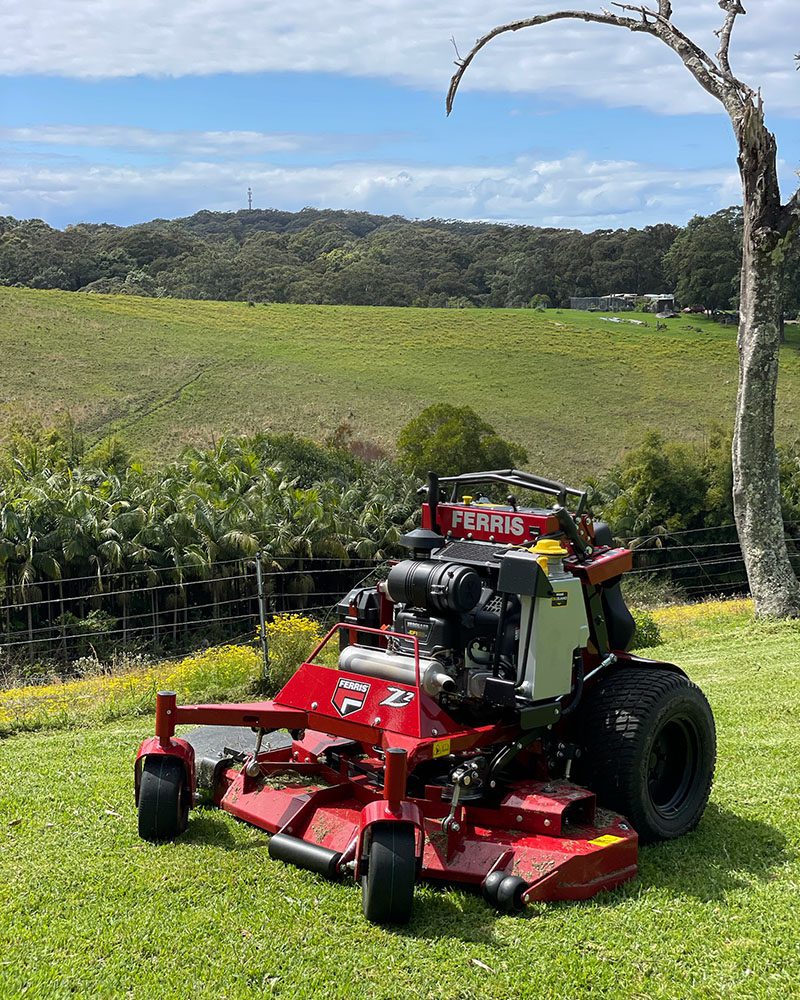
Entry-level domestic ride-on mowers start around $3,000 to $4,000 but often prove inadequate for serious acreage use. Quality residential models suitable for regular use on properties over an acre typically range from $5,000 to $10,000. Commercial-grade zero-turn mowers that professionals use cost 15,000 to 30,000 dollars or more.
For acreage mowing Central Coast properties with challenging conditions, cutting corners on equipment quality leads to frustration and premature failure. You genuinely need appropriate machinery for the job.
Ongoing Running Costs
Fuel consumption varies by model and usage, but budget 15 to 30 dollars per mowing session for fuel on average-sized acreage. Blades require sharpening or replacement multiple times per season at 50 to 150 dollars each time depending on whether you do it yourself or hire the service.
Oil changes, air filter replacements, spark plugs, and general servicing add another 200 to 500 dollars annually. Tyres wear out, belts break, and batteries eventually need replacement. These aren’t occasional costs but regular ongoing expenses of ownership.
Storage and Security
Ride-on mowers require secure, weatherproof storage. If you don’t have appropriate shed space, you’ll need to build or rent it. Leaving expensive equipment exposed to weather significantly shortens its lifespan and increases maintenance needs.
Insurance should also factor into your calculations. While not always required, insuring a 10,000 dollar mower against theft, damage, or liability makes sense. Budget several hundred dollars annually for adequate coverage.
Depreciation and Replacement
Ride-on mowers depreciate rapidly. An $8,000 mower might be worth $4,000 after three years of regular use. Eventually, you’ll need to replace worn-out equipment entirely. Spreading this depreciation and eventual replacement cost across the years of ownership reveals significant hidden expenses.
Quality equipment maintained properly might last 7-10 years with heavy residential use. Commercial machines used professionally might achieve 2,000-3,000 hours before requiring major overhauls or replacement.

Time Investment Analysis
Money represents only one dimension of the decision. Your time has value, whether measured financially or in terms of lifestyle quality.
Actual Mowing Time
Ride-on mowers significantly reduce mowing time compared to walk-behind equipment. A property that takes 6 hours with a walk-behind mower might require only 2 hours with a quality ride-on. This time saving is the primary reason people invest in ride-on equipment.
However, professional acreage mowing Central Coast services with commercial equipment complete the same property in 1 hour or less. Their superior machines, experience, and efficiency deliver time savings beyond what domestic ride-on mowing can achieve.
Maintenance and Servicing Time
Equipment ownership means maintenance responsibility. Cleaning the mower deck after each use, sharpening or replacing blades, changing oil, servicing filters, and general upkeep consume additional hours throughout the season. These tasks cannot be avoided if you want reliable equipment.
Winter storage preparation and spring recommissioning add more time. For some people, this maintenance represents enjoyable engagement with machinery. For others, it’s pure drudgery stealing time from preferred activities.
Setup and Pack-Up
Every mowing session involves getting equipment out, fuelling it, checking it over, and then cleaning and storing it afterward. These tasks add 20-30 minutes per session. Over a season of weekly or fortnightly mowing, those minutes accumulate into considerable time investment.
Weather and Scheduling Flexibility
Owning equipment means you control when you mow, adapting to weather and your schedule. However, it also means you must mow regardless of whether you feel like it, have time, or if conditions are ideal. Equipment ownership creates obligation.
Professional services handle scheduling around weather and adapt to your calendar. If you’re away, busy, or simply don’t feel up to it, they still maintain your property on schedule.
Professional Service Benefits
Understanding what professional lawn mowing Central Coast services actually provide helps evaluate their value proposition beyond simple per-visit costs.
Commercial Equipment Advantages
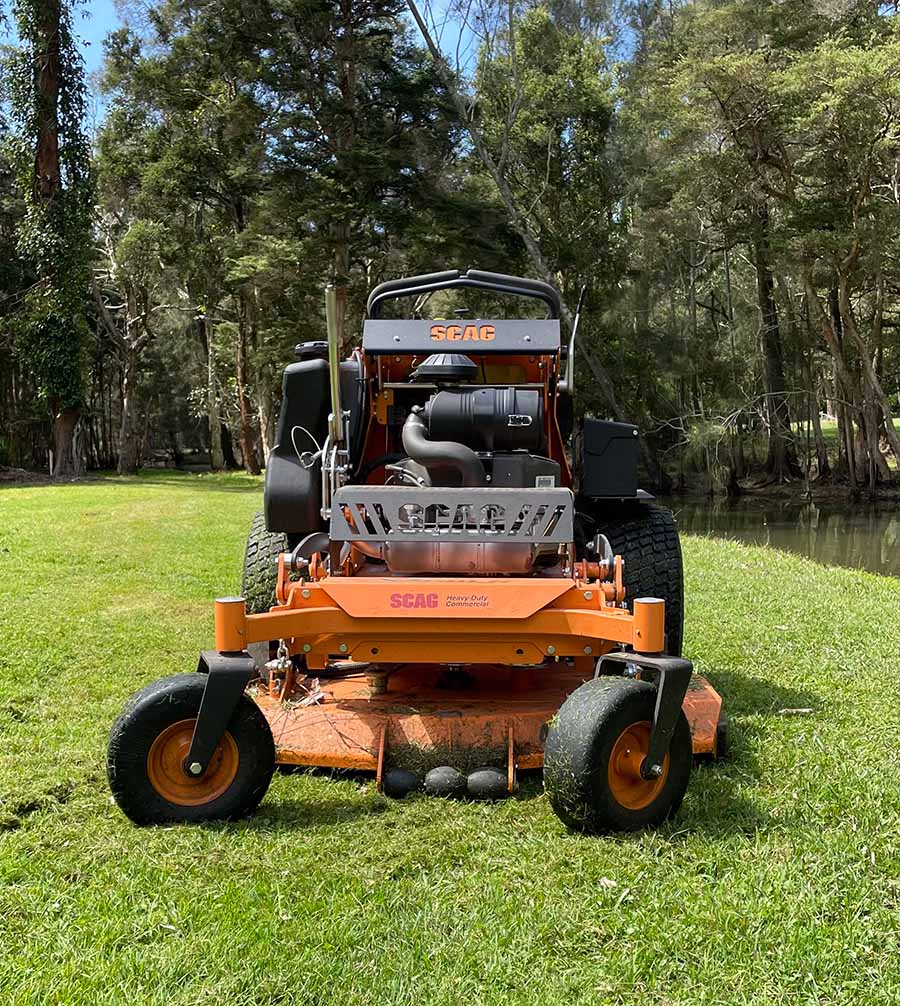
Professional zero-turn mowers with 60-72 inch cutting decks cover ground far faster than domestic ride-on models with their 42-48 inch decks. The equipment professionals use typically costs 20,000 to 40,000 dollars and receives commercial-grade maintenance ensuring consistent performance.
For properties requiring slashing, rough area cutting, or specialised equipment, professionals already own and maintain this machinery. You get access to the right equipment for every situation without purchasing it yourself.
Expertise and Experience
Experienced operators understand proper mowing techniques, optimal cutting heights for different grass types, and how to handle challenging terrain safely. They recognise problems like disease, pest damage, or irrigation issues early, potentially saving you significant money through early intervention.
Central Coast conditions present specific challenges from coastal winds to varied microclimates across acreage areas. Professional services working locally understand these conditions intimately.
Reliability and Consistency
Professional services deliver consistent results regardless of your personal circumstances. Holiday travel, work demands, illness, or equipment breakdowns don’t disrupt your maintenance schedule when professionals handle it.
This consistency prevents properties becoming overgrown and facing the much higher cost of restoration work. Regular professional maintenance costs less than sporadic neglect followed by catch-up efforts.
Liability and Insurance
When professionals mow your property, their insurance covers accidents, property damage, or injuries. If you’re operating your own equipment and cause damage or someone gets hurt, you carry that liability and potential expense.
For acreage properties where neighbours, visitors, or passersby might be affected by mowing operations, this insurance protection provides valuable peace of mind.
Ride-On Mower Ownership Advantages
Despite professional services’ benefits, ride-on mowing offers legitimate advantages for some property owners.
Control and Flexibility
You decide exactly when and how your property gets mowed. Want to mow at 7am on Sunday? No problem (council may not like this or your neighbours). Or you prefer to do touch-up passes in specific areas? Your choice. This control appeals to people who enjoy hands-on property management.
Immediate Response
Notice an area needs attention? You can address it immediately rather than waiting for scheduled service. This responsiveness particularly benefits properties with animals or those frequently hosting visitors.
Additional Equipment Value
Many ride-on mowers accept attachments for other tasks like aerating, dethatching, spreading fertiliser, or towing small trailers. This versatility provides value beyond mowing alone for hands-on property managers.
Personal Satisfaction
Some people genuinely enjoy operating machinery and maintaining their own property. The physical activity, time outdoors, and visible results of completed mowing provide satisfaction worth more than the time invested.

Hybrid Approaches
The choice isn’t strictly binary. Several hybrid approaches combine elements of both options.
Professional Service with Owner Touch-Ups
Many Central Coast acreage owners use professional acreage mowing Central Coast services for primary maintenance while owning smaller equipment for touch-ups, small areas, or between-service tidying. This provides professional results with personal control for detail work.
A quality walk-behind mower or small ride-on handles touch-up work without the investment in commercial-grade equipment needed for comprehensive property maintenance.
Seasonal Professional Support
Another approach involves handling routine mowing yourself during moderate seasons while hiring professionals during peak spring growth or busy personal periods. This manages costs while preventing overwhelming workload during demanding times.
Spring growth around the Central Coast can quickly overwhelm domestic equipment and available time. Professional support during September through November prevents properties getting ahead of you, while you handle lighter summer and autumn maintenance.
Shared Equipment Arrangements
Rural neighbours sometimes purchase equipment collectively or share costs and use. This approach works well in close-knit communities where trust and cooperation exist. Shared ownership dramatically reduces per-property costs while providing equipment access when needed.
Coordinate maintenance schedules and equipment protocols carefully to prevent conflicts and ensure proper care of shared machinery.
Making Your Decision
Several key factors should guide your final choice between ride-on ownership and professional services.
Calculate the Break-Even Point
Determine what professional service would cost annually for your property. Compare this with the true total ownership cost of appropriate ride-on equipment including purchase price spread over expected lifespan, running costs, maintenance, storage, and insurance.
For many Central Coast properties, professional service costs less than true equipment ownership over 5-year periods, especially when valuing your time appropriately.
Assess Your Time Availability
Be realistic about available time and competing priorities. If you already struggle to complete basic property maintenance, owning a ride-on mower won’t create more time in your schedule.
Consider whether you’d rather spend weekend hours mowing or pursuing other activities. There’s no wrong answer, but honest self-assessment prevents expensive mistakes.
Consider Your Physical Situation
Ride-on mowing is less physically demanding than walk-behind mowing but still requires stamina, especially on challenging terrain. Consider your current physical capability and how it might change over the years you’ll own the equipment.
If health concerns or aging might limit your ability to operate equipment safely within a few years, professional services provide more sustainable long-term solutions.
Evaluate Property Plans
Are you planning to subdivide, sell, or significantly change how you use the property? Major changes within a few years argue against significant equipment investment. Professional services offer flexibility to adjust as property use evolves.
Conversely, if you’re establishing a forever property and enjoy hands-on management, equipment investment makes more sense.
Factor in Lifestyle Preferences
This decision reflects lifestyle choices as much as financial calculations. If you value equipment ownership, mechanical self-sufficiency, and hands-on property work, ride-on mowing aligns with those values regardless of slight cost differences.
If you prefer focusing time and energy on family, hobbies, or other priorities while professionals handle property maintenance, that choice is equally valid.
What Works for Different Property Types
Property characteristics often indicate which approach makes most sense.
Suburban Blocks Under 2 Acres
Professional lawn mowing Central Coast services typically offer the best value for suburban properties. Equipment investment rarely justifies the limited use, and small blocks don’t demand enough time to create a significant burden.
However, if you already own appropriate equipment from a previous larger property or genuinely enjoy mowing, DIY with existing equipment works fine.
Acreage 2-5 Acres
This size range represents the sweet spot where ride-on ownership might make economic sense, particularly if you value the control and enjoy the activity. Quality equipment significantly reduces effort compared to walk-behind mowers.
However, professional services still compete favourably when factoring true ownership costs and time value. Many acreage owners in areas like Warnervale and Wyongah find professional services deliver better results with less hassle.
Large Acreage Over 5 Acres
Properties exceeding 5 acres almost require ride-on equipment if you’re handling maintenance yourself. The time investment with anything less becomes unsustainable. However, at this scale, equipment investment escalates into tractor territory with PTO mowers and slashers.
Professional acreage mowing Central Coast services specialising in large properties often provide the most practical solution, delivering commercial equipment capability without the substantial ownership burden.
Challenging Terrain Properties
Properties with significant slopes, obstacles, or varied terrain around places like Mangrove Mountain or Yarramalong often need multiple equipment types. Unless you’re committed to comprehensive equipment ownership, professional services’ versatility provides better value.
Common Mistakes to Avoid
Understanding typical errors helps you avoid expensive learning experiences.
Underestimating True Ownership Costs
The most common mistake is focusing only on purchase price while ignoring ongoing costs. Fuel, maintenance, storage, insurance, and eventual replacement create substantial expenses many new owners don’t anticipate.
Buying Inadequate Equipment
Choosing cheaper, lighter-duty equipment to save money often backfires. Underpowered mowers struggle with property demands, break down frequently, and require replacement sooner. Buy once properly or expect to buy twice.
Overestimating Available Time
Enthusiastic new equipment owners often discover that life’s other demands consistently interfere with mowing schedules. Be realistic about time availability and competing priorities before committing to equipment ownership.
Ignoring Terrain Limitations
Purchasing equipment that cannot safely or effectively handle your property’s terrain wastes money. Walk the property honestly assessing what equipment can actually maintain before buying.
Environmental Considerations
Both options carry environmental impacts worth considering.
Fuel Consumption and Emissions
Ride-on mowers consume petrol and produce emissions. Professional services’ route efficiency means they often use less total fuel per property than individual owners making special trips to purchase fuel and maintain equipment.
Battery-electric ride-on mowers are emerging but currently expensive and limited in capability for serious acreage use. Technology may shift this equation in coming years.
Maintenance Chemicals and Waste
Oil changes, fuel spills, cleaning chemicals, and disposed parts create environmental impact. Professional services typically have better systems for proper disposal and recycling than individual owners.
Noise Pollution
Operating your own equipment means controlling when noise occurs, potentially being more considerate of neighbours than scheduled service times. However, professional efficiency means noise duration is shorter.
Getting Started with Professional Services
If you’re leaning toward professional services, here’s how to proceed effectively.
Finding Quality Providers
Ask for recommendations from neighbours with similar properties. Online reviews provide insight but personal referrals from trusted sources carry more weight. Look for providers experienced with Central Coast conditions and property types like yours.
Oaks Mowing specialises in both residential and acreage properties across the Central Coast, with experience handling everything from suburban blocks to extensive rural acreage.
Questions to Ask Potential Services
Enquire about equipment types they’ll use on your property. Confirm insurance coverage and what it includes. Discuss scheduling flexibility and how they handle weather delays or unexpected issues.
Ask about their approach to different areas of your property and whether they understand any specific requirements like bushfire preparation for rural acreage.
Understanding Service Agreements
Clarify what’s included in quoted prices. Does it cover just mowing or also edging, blowing, and green waste removal? What about seasonal variations in service frequency? Understanding the complete service scope prevents surprises.
Discuss contract terms, cancellation policies, and how they handle price adjustments. Transparent communication upfront establishes good working relationships.
Transitioning from DIY to Professional Service
If you’ve been handling your own mowing and are considering switching to professional services, manage the transition thoughtfully.
Selling Existing Equipment
Determine your equipment’s realistic market value and sell it to offset professional mowing service costs. Well-maintained equipment from reputable brands retains reasonable resale value through online marketplaces or local dealers.
Repurposing Time and Energy
Consider what you’ll do with the time freed up by outsourcing mowing. Whether pursuing hobbies, spending time with family, or tackling other property projects, having plans for reclaimed time helps justify the service expense.
Call Oaks Mowing
The decision between ride-on ownership and professional services comes down to your property, budget, and available time. For Central Coast acreage owners facing challenging terrain and demanding spring growth, professional services often deliver superior results without the equipment investment and ongoing maintenance burden.
Ready to reclaim your weekends? Oaks Mowing provides professional acreage mowing Central Coast services across Holgate, Warnervale, Yarramalong, and throughout the region.
Contact Adam today for a quote tailored to your property’s specific needs.