
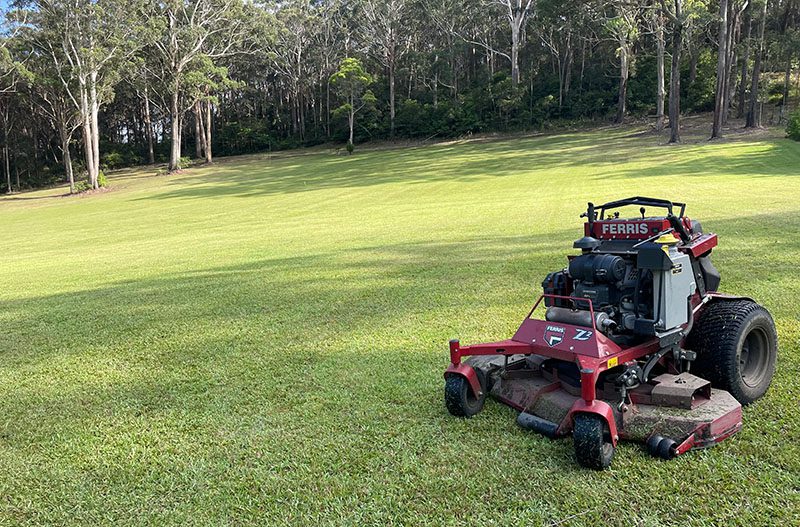
Maintaining acreage properties on the Central Coast requires a completely different approach than residential lawn care. Whether you own 2 acres or 20, keeping your rural property looking neat and fire-safe demands specialised equipment, proper techniques, and an understanding of the unique challenges facing Central Coast acreage owners. This comprehensive guide covers everything you need to know about acreage mowing Central Coast properties.
Understanding Central Coast Acreage Properties
The Central Coast’s rural areas offer beautiful lifestyle properties, but they come with specific maintenance demands. From the elevated properties around Holgate and Wamberal to the rural blocks in Yarramalong, Dooralong, and Jilliby, each location presents its own challenges.
What Defines Acreage Mowing
Acreage mowing differs significantly from standard residential mowing. Properties over one acre typically include varied terrain, multiple grass types, unmaintained areas, and often bushland interfaces. The scale alone demands different equipment and strategies than suburban lawn mowing Central Coast services use on smaller blocks.
Rural Central Coast properties often feature steep slopes, creek lines, rocky outcrops, and areas of native vegetation mixed with pasture grasses. This complexity requires adaptable mowing approaches and experienced operators who understand how to navigate challenging terrain safely.
Common Central Coast Acreage Locations
The region’s prime acreage areas each have distinct characteristics. Wyong’s rural fringes offer established properties with mature landscaping. Yarramalong Valley properties often include creek flats and hillside paddocks. Mangrove Mountain acreage sits at higher elevations with different grass growth patterns and cooler temperatures.
Further north, Jilliby and Wyong Creek properties frequently include larger blocks with significant bushland boundaries. These areas require particular attention to fire prevention through proper grass management. Warnervale’s rural pockets and Wyongah’s larger blocks round out the region’s diverse acreage landscape.
Essential Equipment for Acreage Mowing
The right equipment makes the difference between a day-long struggle and efficient property maintenance. Standard residential mowers simply cannot handle the demands of large rural properties.
Ride-On Mowers vs Zero-Turn Mowers
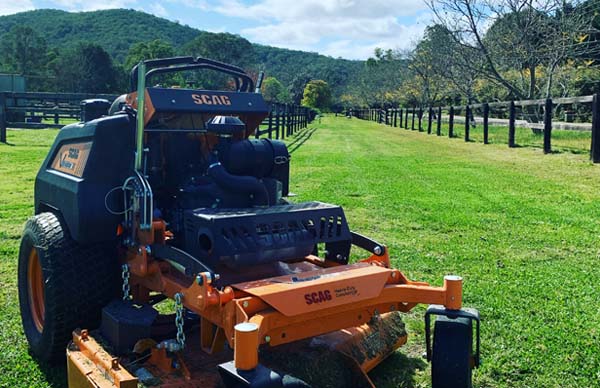
For properties between 1-3 acres, a quality ride-on mower may suffice, though you’ll spend considerable time on the task. Zero-turn mowers offer superior manoeuvrability around trees, fences, and landscaping features while cutting mowing time significantly. Their speed and agility make them the preferred choice for serious acreage maintenance.
Professional acreage mowing Central Coast services typically use commercial-grade zero-turn mowers with cutting decks between 60-72 inches. These machines handle the workload and rough conditions that destroy domestic equipment within a season or two.
Slashers and Brush Cutters
For rougher areas, overgrown sections, or paddocks with taller grass and weeds, slashers are essential. These heavy-duty cutters attach to tractors and can handle vegetation that would choke a standard mower. They’re particularly useful for initial cuts of neglected areas or maintaining fire breaks.
Walk-behind brush cutters serve as backup for areas too steep, rocky, or tight for larger equipment. Every well-maintained acreage property needs this versatility to address all areas effectively.
Tractor Attachments and PTO Mowers
Properties exceeding 5-10 acres often justify tractor ownership. PTO-driven mowers attached to tractors excel at maintaining large open areas efficiently. Finishing mowers create a neat, manicured appearance, while rotary cutters handle rougher work.
The initial investment is substantial, which is why many acreage owners choose professional mowing Central Coast services rather than purchasing and maintaining expensive equipment themselves.
Mowing Frequency for Rural Properties
Determining the right mowing schedule for acreage properties requires balancing aesthetics, fire safety, weed control, and budget considerations.
Seasonal Variations
Spring brings explosive growth across Central Coast rural properties. Weekly or fortnightly mowing may be necessary from September through November to prevent grass getting ahead of you. This intensive period is when many owners appreciate professional acreage mowing services.
Summer growth rates depend heavily on rainfall and your specific microclimate. Coastal acreage may require more frequent attention due to humidity and sea breezes, while inland properties like those around Kulnura might experience slower growth during dry spells.
Fire Season Considerations
As bushfire season approaches, maintaining low grass heights around buildings becomes critical. The 40-metre asset protection zone around structures requires grass below 100mm height. Many Central Coast acreage owners increase mowing frequency from March through summer to maintain this fire safety standard.
Areas further from buildings can be mowed less frequently, but should still be maintained below knee height to reduce overall fire risk. Check your local council’s bushfire requirements, as properties in bushfire-prone areas face specific obligations.
Different Zones, Different Schedules
Smart acreage owners divide their property into zones with varying maintenance levels. The house yard and entertaining areas receive the most frequent attention, perhaps weekly during peak growth. Secondary areas might be mowed monthly, while paddocks and boundary areas could be slashed quarterly.
This zoned approach controls costs while keeping the entire property safe and presentable. Professional lawn mowing Central Coast providers can develop customised maintenance schedules addressing each zone appropriately.
Terrain Challenges and Solutions
Central Coast acreage rarely offers flat, uniform terrain. Managing slopes, wet areas, and obstacles safely and effectively requires specific techniques.
Slope Management
Many rural properties include significant slopes, particularly around Mangrove Mountain and the Yarramalong Valley. Mowing slopes requires appropriate equipment and technique. Never mow up and down steep slopes with ride-on equipment – always mow across the face of the slope to prevent rollovers.
Slopes exceeding 15-20 degrees may require walk-behind equipment or professional brush cutting services. The risk of equipment tipping or loss of control isn’t worth attempting with inappropriate machinery.
Dealing with Wet and Boggy Areas
Creek flats and natural drainage lines often remain damp, creating challenges for mowing equipment. Avoid mowing wet areas with heavy equipment, which causes rutting and soil compaction. Wait for ground to dry, or use lighter equipment in these zones.
Some perpetually damp areas might be better left as natural wetland features or planted with appropriate vegetation rather than attempting to maintain as mown grass. Consider the character and ecology of your property when planning maintenance.
Rocky Ground and Obstacles
Central Coast acreage frequently includes rocky outcrops and scattered stones. Striking rocks at speed can destroy mower blades and throw dangerous projectiles. Walk the area before mowing to remove or mark significant obstacles.
Maintain higher cutting heights in rocky areas to reduce blade strikes. Some rocky zones might be better suited to ground covers or mulched areas rather than maintained grass.
Grass Types Common on Central Coast Acreage
Rural properties typically feature different grass species than residential lawns, requiring adapted maintenance approaches.
Pasture Grasses
Many acreage properties include Kikuyu, which spreads aggressively and thrives in our coastal climate. While excellent for erosion control and drought tolerance, Kikuyu requires frequent mowing to prevent it becoming a thick, impenetrable mat.
Paspalum commonly appears on acreage properties, particularly in moister areas. This coarse grass produces distinctive seed heads and requires regular mowing to keep presentable. It’s tough and hard-wearing but not particularly attractive.
Native Grasses
Some property owners incorporate native grasses like Kangaroo Grass (Themeda triandra) or Weeping Grass (Microlaena stipoides) into their landscapes. These require less maintenance than introduced species and support local ecology, but need specific management to prevent them being overtaken by more aggressive introduced grasses.
Weed Management Through Mowing
Regular mowing controls many broadleaf weeds by preventing them setting seed. However, some weeds like bindii thrive under frequent mowing. Maintaining healthy, dense grass coverage through appropriate mowing heights and frequency remains your best weed prevention strategy.
Creating and Maintaining Access Tracks
Large properties need internal tracks for efficient maintenance and emergency vehicle access.
Planning Track Locations
Well-planned tracks follow contours where possible, avoiding steep grades. Position tracks to provide access to all major areas while minimising the maintained area. Factor in drainage to prevent tracks becoming boggy in winter or eroded gullies after heavy rain.
Tracks typically need widths of 3-4 metres for equipment access. Consider creating a circuit around the property perimeter for both fire break purposes and efficient mowing routes.
Track Surface Management
Regularly mowed grass tracks work adequately in many situations. For heavily used tracks or steep sections, consider gravel or crusher dust surfaces. Proper formation with drainage prevents maintenance headaches and ensures year-round access.
Fire Prevention Through Effective Mowing
Bushfire risk makes proper acreage maintenance more than aesthetics – it’s essential safety practice for Central Coast rural properties.
Asset Protection Zones
The inner protection area within 40 metres of buildings requires the most intensive maintenance. Keep grass mown to below 100mm, remove fallen branches, and eliminate accumulated leaf litter. This zone can make the difference in ember attack and radiant heat protection.
The outer protection area extending to 100 metres needs less intensive but still regular maintenance. Grass can be longer, but should remain below knee height. Reduce overall fuel loads by thinning vegetation and removing dead material.
Strategic Fire Breaks
Internal fire breaks subdivide larger properties into manageable sections. Slashed breaks along ridge lines or around the property perimeter help contain fires and provide access for firefighting equipment. Maintain breaks at least 5 metres wide, though wider is better on large acreage.
Coordinate your fire break planning with neighbours where possible. Continuous breaks across property boundaries provide much better protection for entire rural communities.
Timing Mowing for Fire Season
Complete your major fire prevention mowing before total fire bans commence, typically by late spring or early summer. Many acreage mowing Central Coast services experience high demand during this period, so book well in advance.
Maintain reduced grass heights throughout fire season with regular touch-up mowing. A few hours every month keeps properties compliant and safe rather than facing a massive task in November.
When to Hire Professional Acreage Mowing Services
While some property owners tackle maintenance themselves, professional services offer distinct advantages for Central Coast acreage.
Equipment Investment vs Service Costs
Commercial acreage mowing equipment costs tens of thousands of dollars, requires secure storage, regular maintenance, and eventual replacement. Insurance, repairs, and running costs add up quickly. Many owners find professional mowing Central Coast services more economical when factoring in the true equipment ownership costs.
Time Considerations
Mowing 5 acres with domestic equipment might consume an entire weekend. Professional services with commercial equipment complete the same task in a few hours. Consider whether your time is better spent on property improvements, family activities, or other pursuits rather than marathon mowing sessions.
Safety and Experience
Operating heavy equipment on challenging terrain poses real risks. Experienced operators understand safe techniques, recognise hazards, and carry appropriate insurance. For properties with significant slopes, obstacles, or difficult access, professional expertise provides peace of mind alongside quality results.
Consistent Maintenance
Life gets busy, holidays intervene, and equipment breaks down. Professional lawn mowing Central Coast providers deliver consistent maintenance regardless of your schedule or circumstances. This consistency prevents properties becoming overgrown and facing the expense of restoration work.
Seasonal Acreage Maintenance Calendar
Planning maintenance around Central Coast seasons optimises results and manages costs.
Spring (September-November)
Peak growth season demands the most intensive effort. Schedule mowing every 2-3 weeks minimum. Complete any fence line clearing and track repairs before grass gets too tall. This is also the ideal time to address erosion issues before summer storms arrive.
Consider engaging professional acreage mowing services for the spring rush, then managing lighter maintenance yourself through other seasons if you prefer a hybrid approach.
Summer (December-February)
Continue regular mowing focused on fire prevention. Prioritise areas closest to buildings and structures. If growth slows during dry periods, extend intervals slightly but never let grass exceed fire safety guidelines. For more detail on summer lawn care, refer to our complete guide to Central Coast lawn care in summer.
Autumn (March-May)
Growth rates moderate, allowing reduced frequency. This is an excellent time to overseed worn areas, repair tracks, and undertake property improvements without fighting aggressive grass growth. Complete final fire season mowing before growth slows.
Winter (June-August)
Minimal mowing required as growth nearly stops. Focus on maintaining tracks and access areas. Winter is ideal for larger property projects like fencing, tree planting, or facility improvements without battling grass maintenance demands.
Integrating Acreage Landscaping
Well-maintained acreage balances mown areas with landscaped features that reduce overall maintenance while enhancing property appeal.
Strategic Garden Beds and Mulched Areas
Expanding garden beds around buildings reduces the area requiring regular mowing. Use generous mulch layers to suppress weeds and create attractive low-maintenance zones. Native plantings work particularly well, requiring minimal water once established and supporting local wildlife.
Shade Trees and Windbreaks
Thoughtfully positioned trees serve multiple purposes. They reduce grass growth beneath their canopies, provide stock shelter if you run animals, and create attractive landscape features. On windy Central Coast sites, windbreak plantings protect houses and gardens while reducing the blast that drives salt spray inland.
Retaining Walls and Terracing
On sloped properties, retaining walls and terraces create more usable flat areas while reducing dangerous slope mowing. The upfront investment pays dividends in safer, easier maintenance and increased property functionality.
Dealing with Specific Acreage Challenges
Every property presents unique situations requiring adapted solutions.
Overgrown Properties
Taking on a neglected acreage requires staged rehabilitation. Initial slashing cuts down tall growth, followed by progressively lower cuts over subsequent months to gradually reduce grass height without overwhelming equipment or creating vast amounts of clippings.
This multi-stage approach also prevents shocking grass by suddenly removing too much growth, which can weaken turf and encourage weed invasion. Professional services have the heavy equipment necessary for initial rehabilitation work.
Properties with Livestock
If you run horses, cattle, or other livestock, coordinate mowing with grazing patterns. Mow paddocks after stock have grazed them down, which reduces the workload. Be aware that stock can compact soil and create bare patches requiring overseeding or attention.
Maintain fence lines carefully when mowing around livestock areas. Damaged fences and escaped animals create headaches far exceeding any time saved on careless mowing.
Balancing Native Vegetation
Many acreage owners value the native bushland character of their properties. Define clear boundaries between maintained areas and natural zones. Consider transitional zones with less frequent mowing or native grass establishment to create gradual transitions rather than stark edges.
Cost Management for Acreage Maintenance
Large property maintenance requires budget planning and strategic decision-making.
DIY vs Professional Service Comparison
Calculate the true cost of DIY maintenance including equipment purchase, fuel, maintenance, insurance, and most importantly, your time. Compare this realistically against professional acreage mowing quotes. Many owners find the professional option surprisingly competitive when factoring all true costs.
Reducing Maintenance Costs
Strategic choices significantly impact ongoing costs. Reduce the overall maintained area by expanding garden beds, allowing some areas to remain natural, and using ground covers in difficult spots. Every square metre removed from regular mowing reduces your long-term maintenance burden.
Maintaining regular schedules costs less than letting properties become overgrown and requiring restoration work. Prevention is genuinely more economical than cure in acreage maintenance.
Shared Services with Neighbours
Rural neighbours often share equipment or organise combined professional services to reduce per-property costs. This builds community while delivering practical savings. Coordinate fire break maintenance across properties for more effective bushfire protection.
Finding Quality Acreage Mowing Central Coast Services
Selecting the right professional service ensures your property receives appropriate care.
What to Look for in a Provider
Quality acreage mowing services own commercial-grade equipment suitable for large properties and challenging terrain. They should carry comprehensive insurance covering property damage and public liability. Experience with Central Coast conditions and rural property challenges is essential.
Ask about their approach to different areas of your property, how they handle obstacles, and their availability during peak season. Reliable services provide consistent scheduling and communicate clearly about any property issues they notice during maintenance.
Questions to Ask Potential Services
Enquire about the specific equipment they’ll use on your property. Confirm they understand bushfire safety requirements and can meet those standards. Discuss their approach to wet weather scheduling and how they handle unexpected obstacles or issues.
Request references from other acreage clients, particularly those with similar properties to yours. A provider experienced with Yarramalong hillside properties might approach maintenance differently than one primarily working smaller properties in Hamlyn Terrrace.
Service Level Expectations
Professional providers should deliver consistent cutting heights, neat edges along fence lines and gardens, and proper attention to fire safety requirements. They should leave properties tidy without windrows of clippings creating future problems.
Good services also communicate about property conditions, alerting you to fence damage, erosion issues, or other problems they notice during routine maintenance. This observant approach provides value beyond just mowing.
Conclusion
Maintaining Central Coast acreage properties requires specialised knowledge, appropriate equipment, and consistent effort. Whether you manage a 2-acre block in Yarramalong or a sprawling rural property in Jilliby, understanding proper mowing techniques, seasonal requirements, and fire safety obligations ensures your investment remains both beautiful and safe.
While some owners successfully handle their own acreage maintenance, many find that professional acreage mowing Central Coast services provide better results at comparable or lower true costs. The combination of commercial equipment, experienced operators, and reliable scheduling delivers peace of mind alongside well-maintained properties.
For those tackling their own maintenance, following the strategies outlined in this guide will help you develop efficient systems and avoid common pitfalls. Regardless of your approach, regular attention prevents small problems becoming major headaches and keeps your rural property a source of pride and enjoyment rather than stress.
If you’re considering professional assistance with your Central Coast acreage, Oaks Mowing provides experienced, reliable service across rural properties throughout the region. Our commercial equipment and local knowledge ensure your property receives the specialised care it deserves year-round.